Wednesday, September 23, 2009

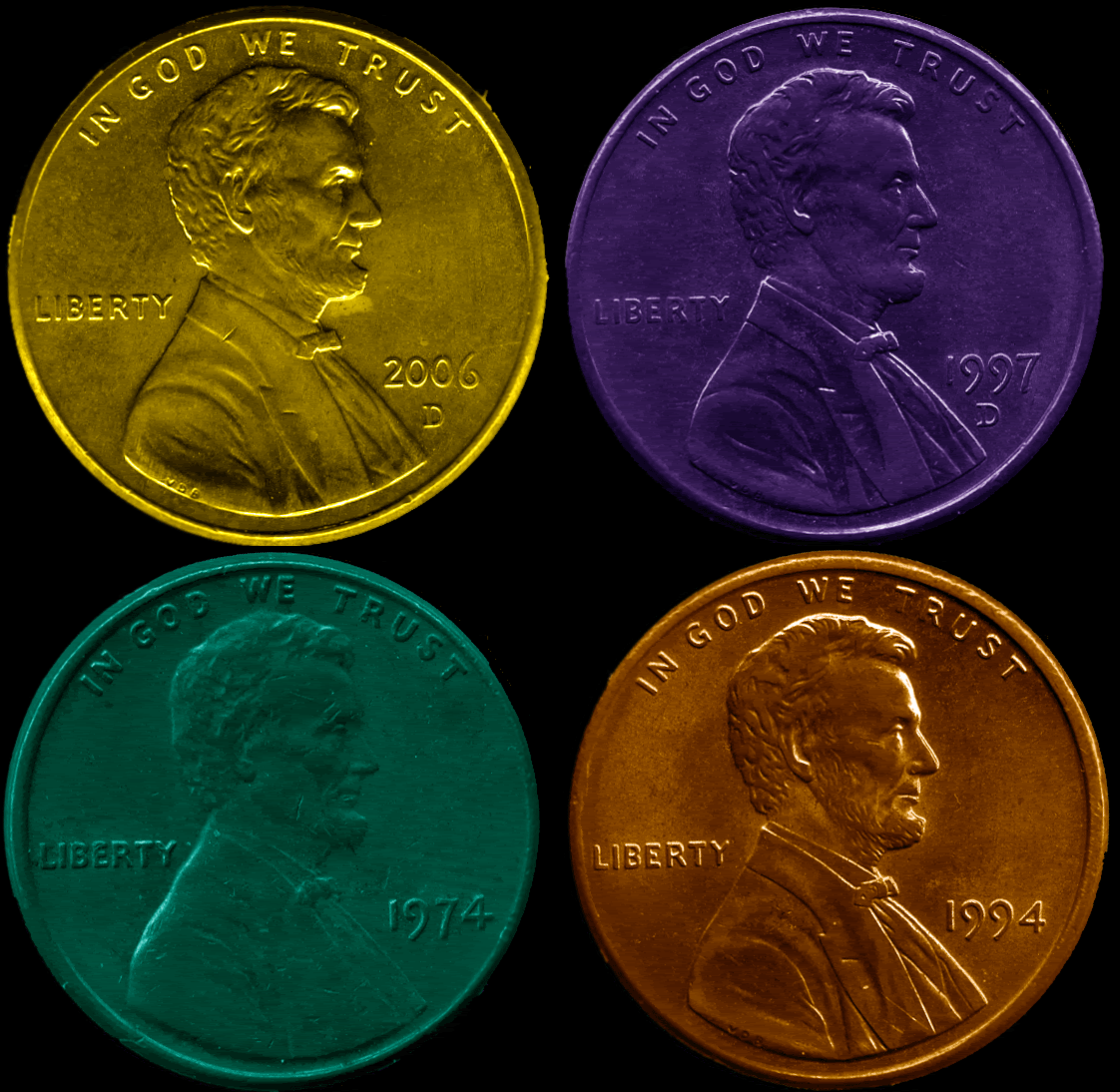
Case Study: Creating Looping Backgrounds with Art History Brush

Photobucket

CLICK HERE to visit tutorial to learn how to create a looping background like the one above.

Saturday, August 23, 2008

Assignment 1: gif animation

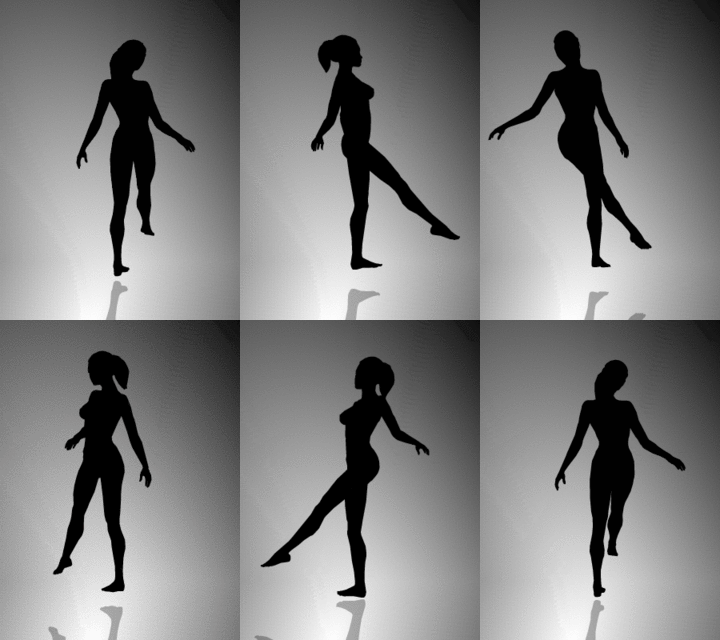
dancer

gif animation is a popular form of web animation that utilizes a series of still images packaged within a single file (with a .gif extension). Gif animations on the web are often quite small so that they may play with ease when a web page is opened.

About the image:

The Right Brain vs Left Brain test ... do you see the dancer turning clockwise or anti-clockwise?

If clockwise, then you use more of the right side of the brain and vice versa.

Most of us would see the dancer turning anti-clockwise though you can try to focus and change the direction; see if you can do it.

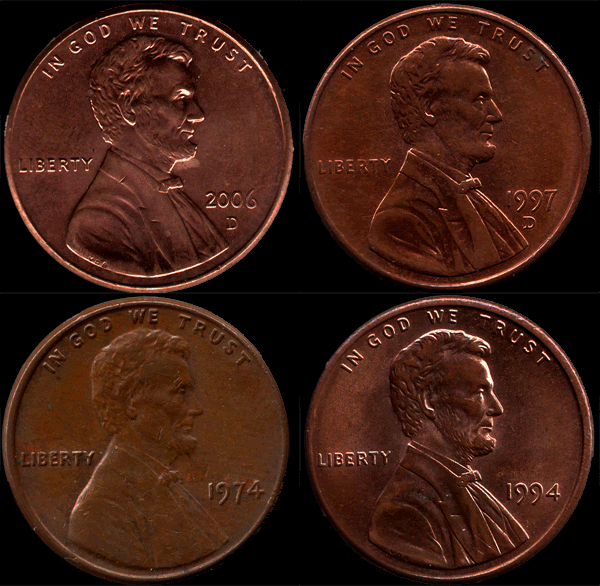
Another gif animation:


*********************************************************************************

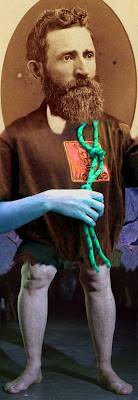
About Exquisite Corpse

Among Surrealist techniques exploiting the mystique of accident was a kind of collective collage of words or images called the cadavre exquis (exquisite corpse). Based on an old parlor game, it was played by several people, each of whom would write a phrase on a sheet of paper, fold the paper to conceal part of it, and pass it on to the next player for his contribution.

The technique got its name from results obtained in initial playing, "Le cadavre / exquis / boira / le vin / nouveau" (The exquisite corpse will drink the young wine). Other examples are: "The dormitory of friable little girls puts the odious box right" and "The Senegal oyster will eat the tricolor bread." These poetic fragments were felt to reveal what Nicolas Calas characterized as the "unconscious reality in the personality of the group" resulting from a process of what Ernst called "mental contagion."

At the same time, they represented the transposition of Lautréamont's classic verbal collage to a collective level, in effect fulfilling his injunction-- frequently cited in Surrealist texts--that "poetry must be made by all and not by one." It was natural that such oracular truths should be similarly sought through images, and the game was immediately adapted to drawing, producing a series of hybrids the first reproductions of which are to be found in No. 9-10 of La Révolution surrealiste (October, 1927) without identification of their creators. The game was adapted to the possibilities of drawing, and even collage, by assigning a section of a body to each player, though the Surrealist principle of metaphoric displacement led to images that only vaguely resembled the human form.

Source: "Dada & Surrealist Art," by William S. Rubin
Wednesday, October 17, 2007

Creating Animated Dialogue


Below are the mouth movents that made up the animation:

"AAH"


"B" "M" "P"


"EEE"


"F" "V"


"L" "N"


"OOO" "R" "Q"


Mouth at Rest


ONCE YOU HAVE YOUR BASIC MOUTH SHAPES (and you may choose a slightly different set, though I consider these to be essentials), you would make copies of the mouth pix and downsize the copies.

Then create a new file (with transparency) that's big enough for your widest mouth still. Copy and paste each of the mouths onto into this new file so that each mouth has its own layer (see below)


In this multi-layered file, make sure that the mouths overlap as closely as possible. Basically, you want the mouth movements to look like they come from the same source (or point on the face) so that when you import them into Final Cut or After Effects, you don't have to worry about lining them up over and over (which would be a big headache). They'll just be anchored to the same invisable point.


Tuesday, October 16, 2007

Class Rotoscope Project

Each student in the FST398 007: Modes of Animation class was assigned 10 seconds of the ball tossing activity to rotoscope. First, live action video was taken of students and then the students had to export the video as single frames to trace over in Photoshop. Enjoy!

Thursday, August 30, 2007

Converting .gif animation to a QuickTime movie

Remember those Muybridge pictures we practiced on for making .gif animations, last week. Here's one converted from a .gif to a QuickTime movie. The bonus here, is that we can add sound (name that tune!)

Wednesday, August 29, 2007

Still looking for ideas on who to present for your animation presentation?

I have provided a list of animators, if you're still stumped on who to present for your class presentation. This is by no means a comprehensive list or a list of the best-animators-in-the-world-in-descending-order or anything like that but a simply a starting point. No doubt, there are hundreds of other equally talented animators we could add to the list but these folks might be easier to find at the video store or in Randall Library than most.

1) Jan Svankmajer
2) The Brother’s Quay
3) Norman McLaren
4) Bob Sabiston (“Waking Life,” “A Scanner Darkley”)
5) Windsor McCay
6) Oskar Fischinger
7) Fleischer brothers, Max and Dave
8) Nick Park / Aardman Animation
9) Bill Plympton
10) Alexander Alexeieff
11) Joanna Quinn
12) Don Hertzfeldt
13) Ralph Bakshi
14) Caroline Leaf